
Side effects of levothyroxine in dogs
2026-02-07Levothyroxine is a common medication prescribed to dogs with thyroid disorders, but it's important to be aware of its potential side effects.
While generally safe and effective, some dogs may experience adverse reactions to levothyroxine, including:
- Increased thirst and urination
- Restlessness or hyperactivity
- Weight loss or gain
- Vomiting or diarrhea
- Changes in behavior
It's crucial to monitor your dog closely while they are on levothyroxine and consult your veterinarian if you notice any concerning symptoms. Your vet can adjust the dosage or consider alternative treatments to ensure your dog's health and well-being.
Keep your furry friend happy and healthy with proper management of levothyroxine and regular veterinary check-ups.
Understanding levothyroxine side effects
Levothyroxine is a synthetic thyroid hormone that is commonly prescribed for dogs with hypothyroidism. It works by replacing or supplementing the natural thyroid hormone that the body is not producing enough of. While levothyroxine is generally well-tolerated by most dogs, there are some potential side effects that pet owners should be aware of.
One common side effect of levothyroxine in dogs is increased thirst and urination. This is because the medication can affect the dog's metabolism and fluid balance, leading to increased water intake and more frequent trips outside to relieve themselves.
Other possible side effects
Other potential side effects of levothyroxine in dogs include gastrointestinal upset, weight loss or gain, changes in appetite, restlessness, and increased heart rate. These side effects are usually mild and temporary, but if they persist or worsen, it is important to consult with a veterinarian.
Common side effects in dogs
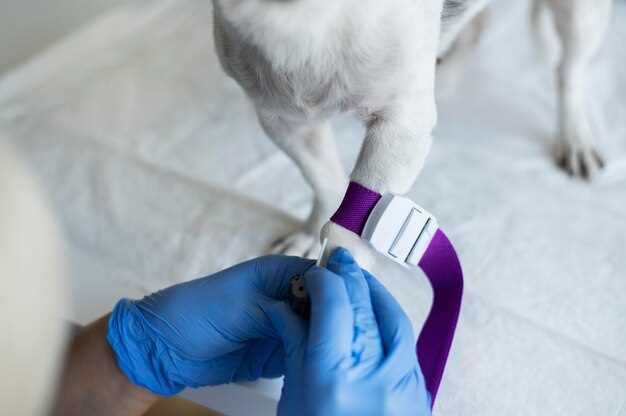
Levothyroxine is a commonly used medication for treating hypothyroidism in dogs. While it is generally safe and effective, there can be some common side effects that pet owners should be aware of.
Some of the common side effects of levothyroxine in dogs include:
- Increased thirst and urination: Some dogs may experience increased drinking and urination when taking levothyroxine. This is usually temporary and should resolve on its own.
- Weight loss: Since levothyroxine stimulates metabolism, some dogs may experience weight loss, especially if they were previously overweight.
- Restlessness: In some cases, dogs may become more restless or hyperactive when on levothyroxine. This can be a sign that the dosage needs adjustment.
- Vomiting or diarrhea: Some dogs may experience gastrointestinal upset while taking levothyroxine. This can usually be managed by adjusting the dosage or giving the medication with food.
If your dog experiences any of these side effects or if they are severe or persistent, it is important to consult your veterinarian. They can help determine if the side effects are related to the medication and make any necessary adjustments to ensure your dog's health and well-being.
Common side effects in dogs
When dogs are prescribed levothyroxine, they may experience some common side effects. It's important for pet owners to be aware of these effects:
- Increased thirst
- Increased urination
- Increased appetite
- Restlessness or hyperactivity
- Changes in behavior
These common side effects are usually mild and may subside as the dog's body adjusts to the medication. However, if they persist or worsen, it's essential to consult a veterinarian for further guidance.
Managing side effects
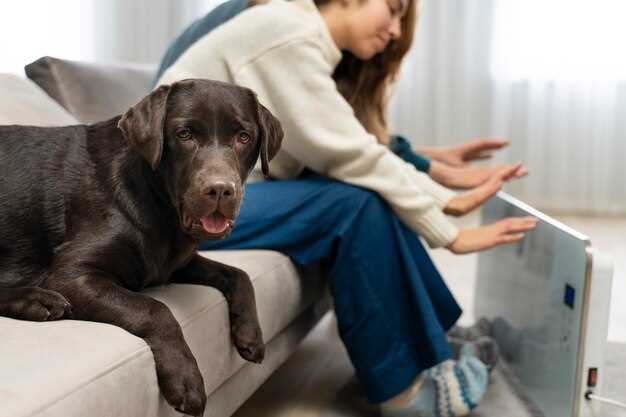
When managing side effects of levothyroxine in dogs, it is important to consult your veterinarian for guidance. Depending on the severity of the side effects, your vet may recommend adjusting the dosage of levothyroxine, switching to a different medication, or monitoring your dog closely for any changes.
It is crucial to follow your veterinarian's recommendations and instructions carefully to ensure the wellbeing of your pet. Always keep an eye out for any new symptoms or changes in behavior and report them to your vet immediately.
- Monitor your dog's appetite, energy levels, coat condition, and overall health regularly.
- Ensure your dog receives regular check-ups and blood tests to evaluate the effectiveness of the medication.
- Follow the prescribed dosage schedule and administer the medication as directed by your vet.
- Do not make any changes to the medication regimen without consulting your veterinarian first.
By working closely with your veterinarian and being proactive in managing side effects, you can help ensure that your dog receives the best care possible while on levothyroxine therapy.
Managing side effects
When it comes to managing the side effects of levothyroxine in dogs, there are a few key strategies to keep in mind. Here are some important tips:
- Monitor your dog closely for any signs of side effects such as vomiting, diarrhea, or changes in behavior.
- Consult your veterinarian if you notice any concerning side effects or if your dog's condition worsens.
- Follow your veterinarian's instructions carefully when administering levothyroxine to your dog.
- Make sure your dog is getting regular check-ups to monitor their thyroid levels and response to treatment.
- Provide your dog with a balanced diet and plenty of exercise to keep them healthy and active.
- Avoid making any changes to your dog's medication without consulting your veterinarian first.
Consulting a veterinarian
When it comes to managing the side effects of levothyroxine in dogs, consulting a veterinarian is crucial. Veterinarians have the expertise and knowledge to provide the best advice on how to address and alleviate any side effects that may arise during treatment with levothyroxine.
By consulting a veterinarian, pet owners can ensure that their dogs receive the proper care and support needed to mitigate any potential side effects. Veterinarians can also offer guidance on adjusting the dosage of levothyroxine or exploring alternative treatment options if necessary.
Additionally, veterinarians can monitor the overall health and well-being of dogs receiving levothyroxine and make personalized recommendations based on their individual needs. Regular check-ups and communication with a veterinarian are essential to ensuring the safety and effectiveness of levothyroxine treatment for dogs.