
Levothyroxine thyroxine difference
2026-02-07Levothyroxine and thyroxine are two powerful hormones that play a crucial role in regulating your metabolism and energy levels.
Discover the key differences between these essential hormones and how they can impact your overall health and well-being.
Don't miss out on the benefits of understanding the intricacies of levothyroxine vs. thyroxine - explore the possibilities today!
Understanding Levothyroxine vs Thyroxine
Levothyroxine and Thyroxine are both hormones produced by the thyroid gland, but they are not the same. Levothyroxine is a synthetic version of the thyroid hormone T4, while Thyroxine is the natural hormone produced by the thyroid gland.
- Levothyroxine is typically prescribed to treat hypothyroidism, a condition where the thyroid gland does not produce enough thyroid hormone. It helps to restore the hormone levels in the body and alleviate symptoms such as fatigue and weight gain.
- Thyroxine, on the other hand, is the primary hormone produced by the thyroid gland and is essential for regulating metabolism, growth, and development.
- Levothyroxine is more stable and has a longer half-life in the body compared to Thyroxine, making it a preferred treatment for thyroid disorders.
- Both Levothyroxine and Thyroxine play crucial roles in maintaining overall health and well-being, but they serve different purposes in the body.
Main Differences
Levothyroxine and Thyroxine are both thyroid hormones, but they have some key differences. Levothyroxine is a synthetic form of the hormone thyroxine, which is produced by the thyroid gland. It is commonly prescribed to treat hypothyroidism, a condition in which the thyroid gland does not produce enough thyroid hormones.
Thyroxine, on the other hand, is the natural form of the hormone produced by the thyroid gland. It is responsible for regulating metabolism and energy levels in the body. While both Levothyroxine and Thyroxine have similar effects in the body, Levothyroxine is often preferred for its stability and consistency in dosing.
Benefits of Levothyroxine
Levothyroxine is a synthetic form of the thyroid hormone thyroxine, which is used to treat hypothyroidism, a condition where the thyroid gland does not produce enough thyroid hormone. Some of the benefits of levothyroxine include:
1. Normalizing Thyroid Hormone Levels:
- Levothyroxine helps to restore normal thyroid hormone levels in the body, which can improve overall health and well-being.
2. Improving Metabolism:
- By replacing the missing thyroid hormone, levothyroxine can help regulate metabolism, energy levels, and weight management in individuals with hypothyroidism.
In conclusion, levothyroxine offers several benefits for individuals with hypothyroidism by addressing the underlying hormone deficiencies and improving overall health and well-being.
Levothyroxine Dosage Guidelines
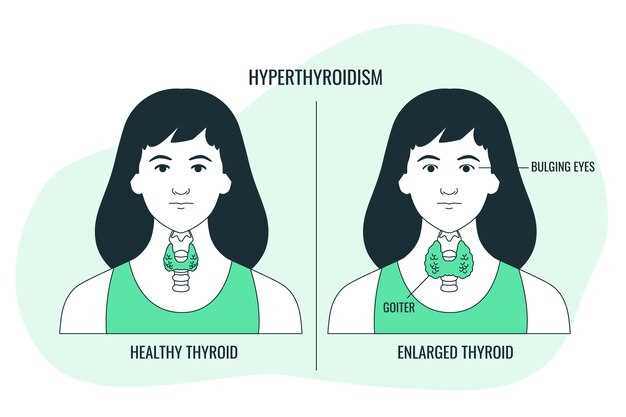
When taking levothyroxine, it is essential to follow the dosage guidelines provided by your healthcare provider. The dosage will vary depending on your age, weight, medical condition, and the severity of your thyroid deficiency.
Your healthcare provider will start you on a low dose of levothyroxine and gradually increase it until your thyroid hormone levels are in the target range. It is crucial to take the medication exactly as prescribed and not to change the dosage without consulting your healthcare provider.
Important Dosage Tips:
- Take levothyroxine on an empty stomach, at least 30 minutes before breakfast or other medications.
- Do not stop taking levothyroxine suddenly, as it can lead to worsening symptoms of thyroid deficiency.
- Notify your healthcare provider if you experience any side effects or if you miss a dose of levothyroxine.
By following the dosage guidelines provided by your healthcare provider and taking levothyroxine as prescribed, you can effectively manage your thyroid deficiency and improve your overall health and well-being.
Levothyroxine Dosage Guidelines
When it comes to taking Levothyroxine, it's essential to follow the dosage guidelines provided by your healthcare provider. The dosage of Levothyroxine is typically based on factors such as your age, weight, medical condition, and thyroid hormone levels.
Starting Dosage
- Your healthcare provider will determine the initial dosage of Levothyroxine based on your individual needs.
- It's usually recommended to start with a low dose and gradually increase it until the desired thyroid hormone levels are achieved.
Maintenance Dosage

- Once the target thyroid hormone levels are reached, your healthcare provider will prescribe a maintenance dosage to keep your thyroid function stable.
- It's crucial to take Levothyroxine at the same time each day and on an empty stomach to ensure optimal absorption.
Remember to always follow your healthcare provider's instructions regarding the dosage and schedule for taking Levothyroxine. If you have any questions or concerns about your dosage, don't hesitate to consult with your healthcare provider.
Handling Thyroxine Deficiency
When dealing with a thyroxine deficiency, it is crucial to follow the advice of your healthcare provider and adhere to the prescribed treatment plan. This may involve taking levothyroxine medication regularly and as directed to help regulate hormone levels in your body.
It is important to monitor your symptoms and report any changes or concerns to your doctor promptly. Regular follow-up appointments and blood tests may be necessary to ensure that your medication dosage is appropriate and effective.
In addition to medication, maintaining a healthy lifestyle can also support thyroid health. Eating a balanced diet rich in nutrients and getting regular exercise can help improve overall well-being and may complement the effects of thyroxine medication.
Overall, managing thyroxine deficiency requires a multidisciplinary approach involving medical intervention, lifestyle modifications, and close monitoring to ensure optimal thyroid function and overall health.